
Common EV Charger Installation Mistakes and How to Avoid Them
Installing a home EV charger is one of the best upgrades you can make as an electric vehicle owner. It gives you the convenience of charging at home, reduces dependence on public charging stations, and ensures your vehicle is ready whenever you need it.
However, an EV charger installation involves much more than mounting a charging unit on the wall. It requires careful planning, proper electrical design, code compliance, and professional workmanship. Even a small mistake during installation can lead to safety hazards, unexpected repair costs, reduced charging performance, or future electrical problems.
The good news is that most of these issues are completely avoidable.
Whether you’re planning your first charger or replacing an existing one, this guide explains the most common EV charger installation mistakes and how to avoid them so your charging system remains safe, reliable, and built for long-term use.
Quick Answer
The most common EV charger installation mistakes include:
- Choosing the wrong installation location
- Skipping an electrical inspection
- Ignoring electrical capacity
- Hiring an inexperienced installer
- Purchasing the wrong charger
- Forgetting about permits
- Planning only for current needs
- Poor cable management
- Choosing price over quality
Avoiding these mistakes starts with proper planning and working with an experienced electrician.
Mistake #1: Choosing the Wrong Location
Many homeowners focus on where the charger will look best rather than where it will work best.
An inconvenient location can make charging frustrating every day.
For example:
- The charging cable barely reaches your vehicle.
- The charger blocks walkways.
- Parking positions become awkward.
- The cable stretches across the garage floor.
Instead, think about how you normally park your vehicle.
A good installation location should:
- Allow easy access to the charging port.
- Keep cables organized.
- Protect the equipment from accidental damage.
- Minimize the distance to the electrical panel whenever practical.
Planning the location before installation can improve convenience and reduce installation costs.
Mistake #2: Assuming Every Home Can Support an EV Charger
One of the biggest misconceptions is that every home is immediately ready for an EV charger.
In reality, every electrical system is different.
Before installation, a licensed electrician should evaluate:
- Available electrical capacity
- Breaker panel condition
- Existing electrical demand
- Wiring requirements
- Future charging needs
Skipping this evaluation could result in overloaded circuits or unexpected electrical upgrades later.
If you’re planning an EV Home Charger Installation in Sacramento CA, a professional assessment should always be the first step.
Mistake #3: Buying a Charger Before Speaking With an Electrician
It’s easy to order a charger online, but buying one before understanding your home’s electrical system can create unnecessary complications.
Some homeowners purchase equipment that:
- Doesn’t match their charging needs.
- Includes features they’ll never use.
- Requires additional electrical upgrades.
- Isn’t the best fit for their parking layout.
Speaking with an experienced electrician first helps ensure you choose equipment that’s compatible with both your vehicle and your home.
Mistake #4: Choosing an Installer Based Only on Price
Everyone wants to save money, but the lowest quote isn’t always the best value.
Some estimates may exclude:
- Permit handling
- Electrical inspections
- Quality materials
- Future support
- Proper testing
A professional installation is about more than completing the work—it’s about ensuring the system operates safely for years.
When comparing contractors, consider:
- Experience with EV charging systems
- Licensing and insurance
- Customer reviews
- Warranty support
- Transparent estimates
Choosing a qualified electrician often prevents expensive repairs later.
Mistake #5: Ignoring Future EV Ownership
Many households now own more than one vehicle, and electric vehicle adoption continues to grow.
When planning an installation, consider questions like:
- Will another family member purchase an EV?
- Could you need additional charging capacity later?
- Are you planning future home improvements?
Planning ahead during the initial installation is often more cost-effective than making major changes a few years later.
Mistake #6: Forgetting About Permits
Some homeowners view permits as unnecessary paperwork.
In reality, permits help verify that the installation complies with current electrical safety standards.
A properly permitted installation typically includes:
- Code-compliant electrical work
- Required inspections
- Proper documentation
- Safer long-term operation
Professional electricians usually manage the permit process, making it simple for homeowners.
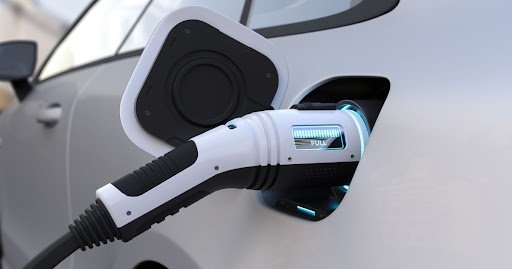
Mistake #7: Ignoring Electrical Panel Capacity
Your EV charger is one of the largest continuous electrical loads in your home.
If your electrical panel doesn’t have enough available capacity, problems may include:
- Breaker trips
- Overloaded circuits
- Reduced charger performance
- Electrical safety concerns
A professional load calculation determines whether your current electrical system can safely support the charger.
Fortunately, many homes can accommodate a charger without major upgrades, while others may benefit from additional electrical improvements.
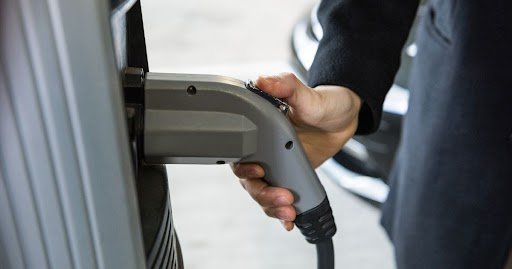
Mistake #8: Poor Cable Management
Cable management often receives little attention during installation, yet it affects both convenience and safety.
Loose charging cables can:
- Create tripping hazards
- Become damaged over time
- Make the garage look cluttered
- Increase wear on connectors
Simple accessories such as cable hooks or integrated cable holders help keep the charging area organized and protect the equipment.
Mistake #9: Installing the Charger Too Far From the Electrical Panel
Long electrical runs require:
- More wiring
- Additional conduit
- Increased labor
- Higher material costs
Whenever practical, installing the charger closer to the electrical panel can reduce installation costs while simplifying the overall project.
Of course, convenience should also be considered, so finding the right balance is important.
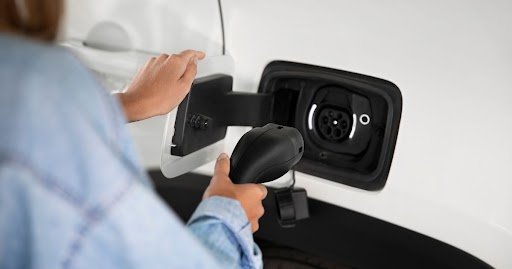
Mistake #10: Overlooking Outdoor Installation Requirements
Not every homeowner installs their charger inside a garage.
Outdoor installations require additional planning.
Considerations include:
- Weather-rated equipment
- Proper mounting height
- Cable protection
- Exposure to sunlight
- Moisture resistance
Choosing equipment designed for outdoor use helps ensure long-term durability.
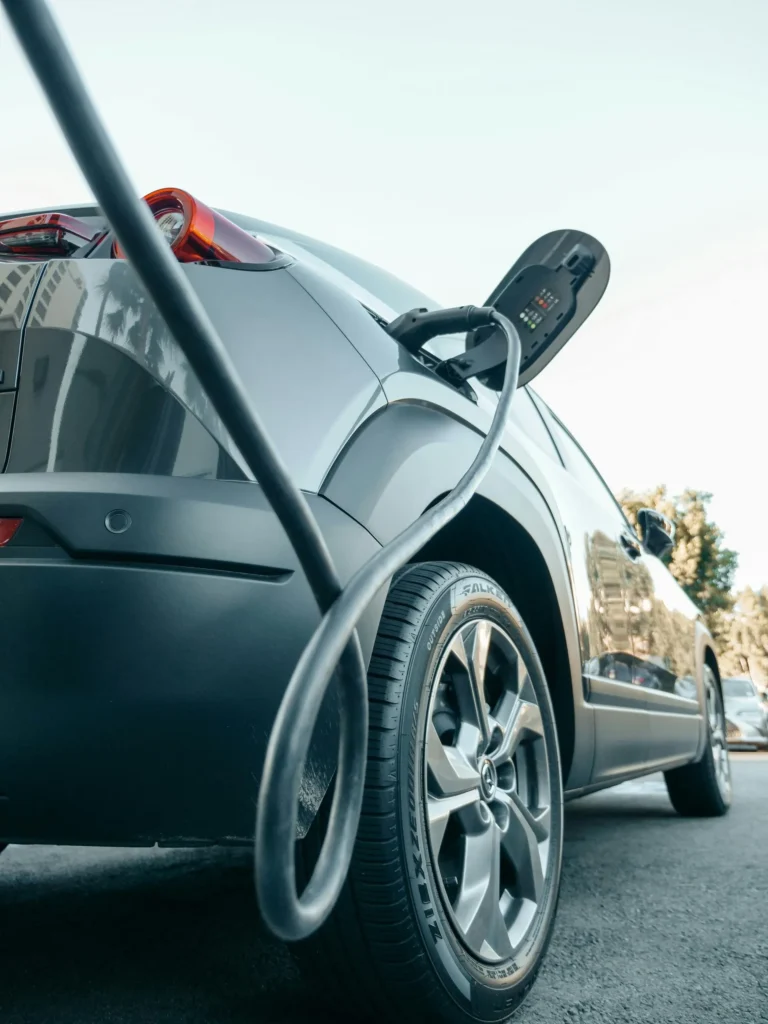
Mistake #11: Skipping the Final Testing
Even after the charger has been installed, the work isn’t complete until the system has been thoroughly tested.
Professional testing typically includes:
- Electrical connection verification
- Voltage testing
- Charger communication checks
- Breaker operation
- Charging performance
These final checks help identify any issues before regular use begins.
Why Professional Installation Makes a Difference
Professional electricians bring more than technical knowledge—they bring experience.
An experienced installer understands how to:
- Evaluate electrical systems
- Select appropriate circuit protection
- Follow current electrical codes
- Handle permits and inspections
- Install equipment according to manufacturer specifications
This expertise helps reduce installation risks while providing homeowners with confidence that their charging system is safe.
For homeowners considering Residential EV Charger Installation in Sacramento CA, professional installation is one of the best investments you can make.

Simple Ways to Ensure a Successful Installation
You can help your installation go smoothly by following a few best practices.
- Schedule an electrical assessment before purchasing equipment.
- Choose an installation location that works with your parking habits.
- Think about future charging needs.
- Work with licensed electricians experienced in EV charging systems.
- Ask questions about permits, warranties, and ongoing support.
- Don’t make installation decisions based solely on the lowest quote.
These simple steps often prevent costly problems later.
Frequently Asked Questions
What is the biggest EV charger installation mistake?
Skipping a professional electrical evaluation is one of the most common mistakes because it can lead to unexpected upgrades or electrical safety concerns.
Can I choose any location for my charger?
Not always. The location should provide convenient vehicle access while allowing safe and efficient electrical installation.
Why are permits important?
Permits help ensure the installation meets current electrical codes and passes required inspections.
Should I buy the charger before contacting an electrician?
It’s usually better to consult an electrician first so you can choose equipment that matches your home’s electrical system and charging needs.
How can I reduce installation costs?
Planning the charger location carefully, scheduling a professional assessment early, and avoiding unnecessary changes during installation can help control costs.
Final Thoughts
A successful EV charger installation starts long before the charger is mounted on the wall. Careful planning, a thorough electrical assessment, and professional installation help prevent the common mistakes that often lead to unexpected expenses, safety concerns, or reduced charging performance.
By taking the time to evaluate your home’s electrical system, choose the right location, and work with experienced electricians, you’ll enjoy reliable home charging for years to come.
If you’re planning an EV Charger Installation in Sacramento CA, Source of Light Electric provides professional installation services designed around your home’s electrical needs. From the initial assessment to final testing, experienced electricians ensure every installation is completed safely, efficiently, and in compliance with current electrical standards.