
Step-by-Step Guide to Installing an EV Charger at Home in Sacramento
Owning an electric vehicle becomes much more convenient when you have a dedicated charger at home. Instead of planning trips around public charging stations, you can plug in your vehicle when you get home and have it ready for the next day’s commute.
While installing a home EV charger may seem like a straightforward project, there’s much more involved than mounting a charging unit on a garage wall. Your home’s electrical system, charger location, permit requirements, and safety standards all play an important role in ensuring the installation is reliable and built to last.
If you’re considering EV Home Charger Installation in Sacramento CA, this guide walks you through every stage of the process so you’ll know exactly what to expect before work begins.
Quick Overview: The Home EV Charger Installation Process
A professional installation typically follows these steps:
- Evaluate your charging needs.
- Choose the right charger.
- Inspect your home’s electrical system.
- Select the best installation location.
- Obtain permits if required.
- Install a dedicated electrical circuit.
- Mount and wire the charger.
- Test the charging system.
- Complete the final inspection.
Although every home is different, understanding these steps helps homeowners make informed decisions throughout the project.
Step 1: Evaluate Your Daily Charging Needs
Before choosing a charger, think about how you use your electric vehicle.
Ask yourself:
- How many miles do you drive each day?
- Will you be charging one EV or multiple vehicles?
- Where do you normally park?
- Do you plan to purchase another EV in the future?
Answering these questions helps determine the charging solution that best fits your household both today and in the years ahead.
A professional electrician can also recommend equipment that works with your vehicle while allowing room for future upgrades.
Step 2: Choose the Right Home EV Charger
Not every EV charger offers the same features.
When comparing charging equipment, consider:
Charging Speed
Choose a charger that supports your vehicle’s charging capabilities and daily driving habits.
Smart Features
Many modern chargers include:
- Mobile app control
- Charging schedules
- Energy monitoring
- Wi-Fi connectivity
- Remote status notifications
Weather Resistance
If the charger will be installed outdoors, make sure it’s designed for exterior use and local weather conditions.
Vehicle Compatibility
Most modern chargers work with a wide range of electric vehicles, but it’s still important to verify compatibility before purchasing.
A qualified electrician can recommend a charger that matches both your vehicle and your home’s electrical system.
Step 3: Have Your Electrical System Inspected
Before installation begins, your home’s electrical system should be evaluated.
This is one of the most important parts of the process because the charger will require a dedicated electrical circuit.
During the inspection, the electrician will assess:
- Electrical service capacity
- Available breaker space
- Existing panel condition
- Wiring requirements
- Grounding and bonding
- Overall electrical safety
If upgrades are necessary, they’ll be identified before installation starts, helping you avoid delays later.
Step 4: Choose the Best Installation Location
The location of your charger affects both convenience and installation costs.
Most homeowners install chargers in:
- Attached garages
- Detached garages
- Covered carports
- Driveways with dedicated parking
The ideal location should:
- Be close to where you normally park.
- Allow easy access to the charging port.
- Protect the equipment from unnecessary damage.
- Minimize wiring distance when possible.
A shorter distance between the electrical panel and charger can often reduce labor and material costs.
Step 5: Review Local Permit Requirements
Most home EV charger installations require permits and inspections to ensure compliance with local electrical codes.
Permits help verify that:
- The installation follows current safety standards.
- Electrical work meets applicable codes.
- Equipment is installed correctly.
- The system passes inspection.
Professional electricians typically handle the permit process on behalf of the homeowner, making the experience much simpler.
Step 6: Install a Dedicated Electrical Circuit
An EV charger should always operate on its own dedicated circuit.
This prevents the charger from sharing power with other household appliances and helps ensure reliable performance.
During this stage, the electrician may:
- Install a new breaker.
- Run electrical wiring.
- Install conduit where required.
- Connect the circuit to the charging location.
The exact work depends on your home’s existing electrical system and the distance between the panel and the charger.
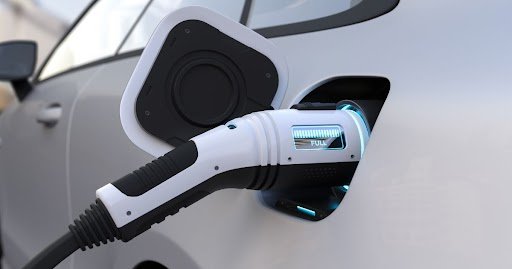
Step 7: Mount and Connect the EV Charger
Once the electrical work is complete, the charger is securely mounted in the selected location.
Proper installation includes:
- Secure wall mounting
- Correct electrical connections
- Appropriate cable management
- Manufacturer-recommended clearances
- Compliance with electrical codes
Attention to these details helps protect both the charging equipment and your home’s electrical system.
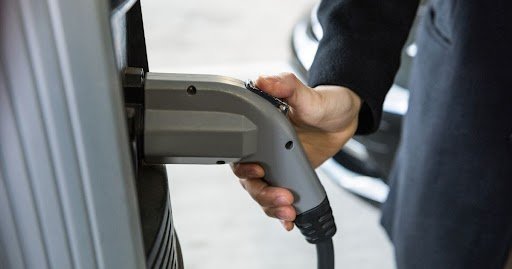
Step 8: Test the Charging System
Before the installation is complete, the electrician performs several tests to confirm everything is operating correctly.
Testing typically includes:
- Verifying electrical connections
- Confirming proper voltage
- Checking breaker operation
- Testing charger functionality
- Confirming vehicle communication
These final checks help ensure dependable charging from the very first use.
Step 9: Complete the Final Inspection
If a permit is required, the final step is an electrical inspection.
The inspector verifies that the installation meets current safety standards and local code requirements.
Once approved, your home charging system is ready for everyday use.
What Can Affect Installation Time?
Every project is different.
Some installations can be completed within a single day, while others take longer because of factors such as:
- Longer wiring runs
- Electrical panel modifications
- Detached garages
- Permit scheduling
- Additional electrical upgrades
A professional assessment provides a more accurate project timeline.
Common Mistakes Homeowners Should Avoid
Installing an EV charger is a long-term investment, so avoiding common mistakes is important.
Choosing the Wrong Location
Installing the charger too far from your regular parking space can make charging less convenient.
Buying Equipment Before an Inspection
Not every charger is the best fit for every home’s electrical system.
Consulting an electrician first can prevent unnecessary purchases.
Ignoring Future Needs
If you expect to purchase another electric vehicle, it’s worth discussing future charging capacity during the planning stage.
Hiring an Inexperienced Installer
EV charging systems involve specialized electrical work.
Choosing a licensed electrician helps ensure the installation meets current safety standards and local building codes.
Why Professional Installation Matters
While installing a charger may appear straightforward, the work involves much more than connecting electrical wires.
Professional electricians provide:
- Accurate load calculations
- Proper circuit sizing
- Safe electrical connections
- Code-compliant installation
- Permit coordination
- Equipment testing
Most importantly, they ensure your home’s electrical system can safely support long-term EV charging.
If you’re planning an EV Charger Installation in Sacramento CA, working with experienced professionals helps protect both your investment and your home’s electrical infrastructure.

Benefits of Installing a Home EV Charger
Many homeowners quickly realize that home charging offers advantages beyond convenience.
Charge on Your Schedule
Your vehicle can charge while you sleep, eliminating unnecessary trips to public charging stations.
Save Time
Instead of waiting for an available charger elsewhere, your charging station is always ready when you need it.
Increase Property Appeal
As electric vehicle ownership continues to grow, home charging infrastructure may become an attractive feature for future buyers.
Reliable Daily Charging
A professionally installed charger provides dependable charging whenever your vehicle is parked at home.
Frequently Asked Questions
How long does it take to install a home EV charger?
Many standard residential installations can be completed in one day, although projects involving electrical upgrades may require additional time.
Do I need a permit for a home EV charger?
In most cases, yes. Permit requirements vary depending on the project and local regulations.
Can I install an EV charger outside?
Yes. Many chargers are specifically designed for outdoor installation when properly installed according to manufacturer guidelines.
Will my electrical panel need to be upgraded?
Not necessarily. A licensed electrician will inspect your electrical system to determine whether your existing panel has enough capacity.
Why should I hire a professional electrician?
Professional installation helps ensure your charging system is safe, reliable, code-compliant, and designed to perform properly for years to come.
Final Thoughts
Installing a home EV charger is one of the most practical upgrades for electric vehicle owners in Sacramento. A properly planned installation provides faster, more convenient charging while ensuring your home’s electrical system operates safely and efficiently.
From selecting the right charger to completing permits and final testing, every step contributes to a dependable charging experience. Working with an experienced electrician also helps identify potential electrical issues before they become costly problems.
If you’re ready to install a charging station at your home, Source of Light Electric offers professional EV Home Charger Installation in Sacramento CA tailored to your property’s electrical requirements. Whether you’re installing your first charger or upgrading your home’s charging capabilities, experienced electricians can guide you through the process from initial assessment to final inspection.